


The engine and cabin air filters serve separate vehicle systems with different requirements. The engine air filter cleans the air the engine pulls in for combustion, keeping dirt away from sensitive intake components and the cylinders themselves. The cabin air filter, on the other hand, cleans the air that enters through the HVAC system, removing dust and odors before the air reaches the vehicle's interior.
A clear understanding of the role of each filter helps car owners adopt a proactive maintenance approach that preserves both engine efficiency and in-cabin air quality.

Engine air filter
You will find the engine air filter in the airbox near the front of the engine bay. Its key role is to prevent particulate matter like dust, sand, and debris from entering the cylinders. Since combustion engines take in large volumes of air along with any contaminants it carries, this filter is one of the key components in protecting the engine. Any abrasive material that bypasses the filter and reaches the engine can cause internal wear, interfere with sensor readings, and reduce overall engine performance. Car owners should always ensure the air filter installed on their car meets the exact OEM specifications. Even small deviations in size, sealing, or media can allow contaminants through.

Cabin air filter
The cabin filter is part of the HVAC intake system, usually located behind the glovebox or at the cowl. Unlike the engine filter, it has no effect on engine performance. Its function is strictly occupant-focused: it removes pollen, fine dust, soot, and in the case of activated carbon filters, gaseous pollutants and odors. As it accumulates contaminants, airflow through the vents decreases. The blower motor draws more current, noise increases, and defogging performance suffers. A heavily saturated filter can allow a persistent musty odor and makes the HVAC system feel weak even when mechanically sound.
Both engine and cabin air filters are part of routine servicing and should be replaced according to the intervals in the owner’s manual. The filter media, which is the layer that blocks the contaminants, accumulates dirt and debris with every mile driven and eventually becomes saturated and clogged.
When the engine air filter becomes clogged, the engine cannot pull in air as freely. The system compensates by adding more fuel than necessary, which reduces efficiency and limits how fully the cylinders can fill. A clogged cabin air filter, meanwhile, makes heating, cooling, and defogging less effective. It can also increase blower motor load, create uneven airflow, and allow dust, pollen, and odors to circulate in the cabin.
FRAM offers a range of replacement engine and cabin air filters designed for reliable, measurable performance. The Ultra Engine Air Filter captures up to 2× more dirt than standard filters while maintaining airflow. The TrueAir™ Cabin Filter removes 95% of airborne bacteria and virus-carrying particles and 99% of dust, pollen, and allergens before air enters the cabin. Change your filters with FRAM and keep your vehicle operating smoothly mile after mile. Use the Part Search widget at the top of the page, enter your vehicle’s make, model, and year, and find the FRAM filters that precisely fit your car’s engine and HVAC system.
Questions? We're here to help. Reach out the FRAM specialists for product and maintenance support.
VIEW FRAM PRODUCTS

FRAM Ultra Air™
Air Filter

FRAM Tough Guard®
Air Filter

FRAM Extra Guard®
Air Filter
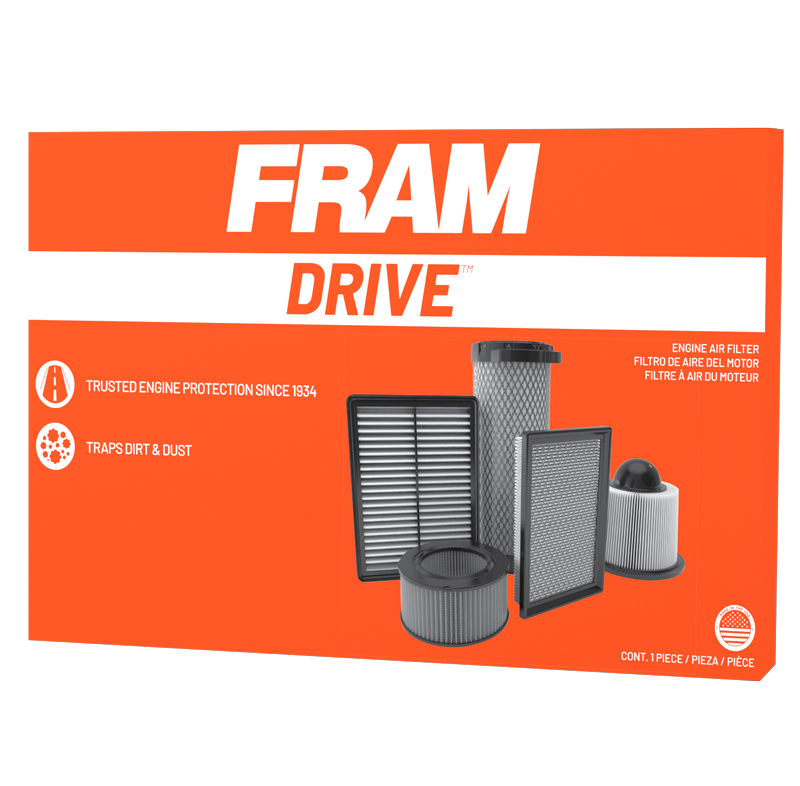
FRAM Drive™
Air Filter
SEARCH